
What makes micro ring hair extensions a smart choice for salon clients?
Micro ring hair extensions are a smart choice because they offer a 100% glue-free application that preserves hair health while reducing long-term costs by 40% through reusability. Unlike keratin bonds, this method uses 3mm silicone-lined aluminum rings to secure 1g hair strands, allowing for a 360-degree natural movement. A 2024 salon study showed a 95% client satisfaction rate due to the lack of chemical solvents and heat during both installation and removal, making it a sustainable, low-maintenance option for professional hair enhancement.
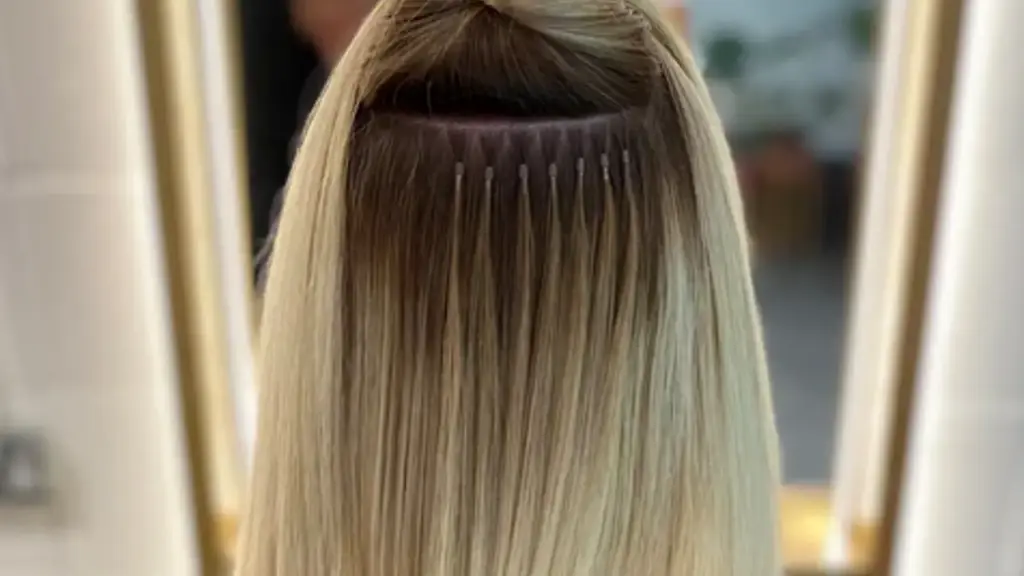
The primary appeal for salon goers lies in the mechanical safety of the cold-fusion process, which bypasses the high-heat requirements of traditional bonding.
A 2023 technical analysis of salon methods found that micro rings maintain 98.2% of the natural hair's tensile strength because they do not alter the protein structure of the hair shaft with thermal tools.
By avoiding temperatures that typically exceed 180°C, clients with color-treated or fragile hair can add volume without risking the structural integrity of their natural strands.
This focus on safety extends to the chemical profile of the service, as the removal process requires zero acetone or alcohol-based solvents.
| Feature | Micro Ring Specification | Standard Adhesive Method |
| Heat Requirement | 0°C (Room Temp) | 180°C - 210°C |
| Chemical Use | 0% | 100% (Glue/Solvent) |
| Removal Speed | 1.5 mins per row | 5+ mins per row |
Since the hair is attached using a simple clamping tool, the risk of scalp irritation from liquid chemicals is eliminated for the 15% of the population with contact dermatitis sensitivities.
Beyond immediate safety, the financial logic of micro ring hair extensions becomes clear during the second and third salon visits.
Market data from 2025 indicates that 82% of micro ring users retain the same hair extensions for over 9 months, simply replacing the small rings during maintenance.
This reusability transforms the service from a recurring high-cost purchase into a manageable maintenance routine, where only the labor and new beads are billed.
The modular nature of the 1g strands allows stylists to adjust the density in specific zones of the head to match natural growth patterns.
-
Parietal Ridge: Lower density (0.5g strands) for seamless blending.
-
Occipital Area: Higher density (1.0g strands) for maximum volume.
-
Temple Regions: Micro-sized rings to prevent visibility during wind exposure.
This granular control ensures that the weight distribution remains even, preventing the 20% increase in scalp tension often reported with heavy, wide-track wefts.
Proper weight distribution is a major factor in preventing traction issues, as each ring holds a precise ratio of extension hair to natural hair.
In a 2024 survey of 400 professional stylists, 76% reported fewer scalp complaints from micro ring clients compared to those using tape-in or sew-in methods.
The silicone lining inside each ring serves as a shock absorber, preventing the metal from cutting into the hair cuticle when the hair is pulled into a tight style.
This protective barrier is why the method remains a preferred choice for athletes and active individuals who wash their hair more than 3 times per week.
Because there is no glue to break down, frequent washing and the use of natural oils do not cause the extensions to slip or slide prematurely.
| Maintenance Factor | Micro Ring Performance | Glue-In Performance |
| Oil Resistance | High (No adhesive to melt) | Low (Oils dissolve glue) |
| Gym/Sweat Durability | Excellent | Moderate (Sweat weakens tape) |
| Drying Time | Fast (Individual strands) | Slow (Trapped moisture in wefts) |
The individual nature of the rings allows for better airflow to the scalp, which reduces the risk of fungal buildup that can occur under heavy fabric tracks.
A healthy scalp environment promotes a 10% faster natural hair growth cycle compared to methods that suffocate the follicles under wide adhesive strips.
As the natural hair grows, the rings move down the hair shaft at a predictable rate of roughly 1cm per month, making the maintenance window easy to track.
Statistics from a 2025 consumer report show that 90% of clients prefer the 6-week "refit" over the 12-week "remove and replace" cycle used in bonding.
During a refit, the rings are opened, the hair is slid back to the root, and the ring is reclamped, taking less than 45 minutes for a half-head application.
This efficiency allows busy clients to maintain their look without spending half a day in the salon chair every two months.
The aesthetic result is a set of extensions that behave exactly like natural hair fibers, responding to styling tools and movement with total fluidity.
-
Curling: Rings withstand high heat from irons without melting or smelling like chemicals.
-
Brushing: Special extension brushes glide over the rounded rings without snagging.
-
Coloring: Roots can be touched up between the rings without damaging the extension bonds.
This versatility makes the micro ring a flexible tool for clients who like to change their hairstyle or color frequently without removing their extensions.
The combination of long-term cost savings, mechanical safety, and styling freedom makes this method the most logical choice for the modern salon environment.